
For young goaltenders, early development is often about exploration—learning how to move, react, and love the position. But once a goalie reaches around age 12, something important changes.
The way they should be training needs to change, too.
At Wolfe Hockey, we see this transition point clearly every season. Goalies who continue training the same way they did at 9 or 10 often stall. Meanwhile, those who adapt their training to match new development windows build the foundation for long-term success.
Here’s why that shift matters—and how specialized goalie training plays a critical role.
The Development Window Changes After Age 12

Before age 12, goalies benefit most from broad athletic development: coordination, balance, basic movement patterns, and reactive play. Mistakes are part of the process, and exploration is encouraged.
Around 12–14 years old, however, the body enters a new phase:
- Growth spurts affect balance and timing
- Limb length changes alter stance and movement efficiency
- Strength and power development becomes more trainable
- Motor patterns begin to “lock in”
This is a crucial moment. If inefficient habits are left unaddressed, they can become much harder to fix later. At the same time, goalies are now capable of understanding why certain techniques work—not just copying movements.
That’s when training must evolve from exposure to intentional development.
Technique Must Evolve, Not Just Increase in Volume
A common mistake after age 12 is simply doing more of the same: more shots, more reps, more ice time—without refining technique.
At this stage, goalies need:
- Purposeful crease movement
- Efficient post integrations
- Proper save selection and recovery patterns
- Game-specific depth and angle management
Good technique isn’t about style—it’s about repeatability under pressure. Without targeted coaching, goalies often compensate with athleticism alone, which eventually limits consistency as competition increases.
This is where structured goalie lessons become essential. One-on-one training allows coaches to identify breakdowns early and help goalies adapt their mechanics as their bodies change.

Why Specialized Training Matters More Than Ever
After age 12, goalies begin to separate not by talent—but by training quality.
Specialized environments like Wolfe Hockey’s P&A membership and focused goalie clinics allow athletes to:
- Break down movement patterns with feedback and video
- Train decision-making, not just reactions
- Develop game-reading skills and situational awareness
- Build strength, mobility, and durability alongside technique
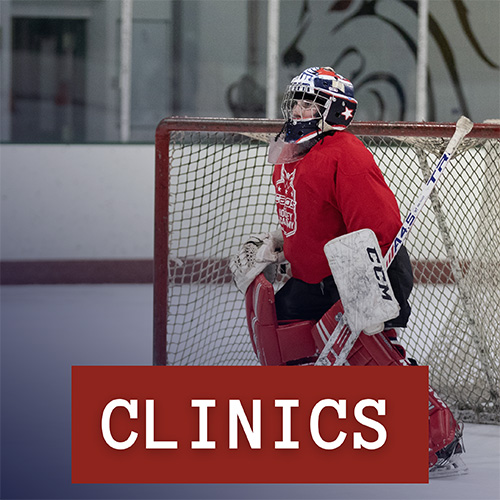
Clinics provide high-rep, high-focus environments where goalies can sharpen specific skills. Lessons offer individualized correction and long-term planning. Together, they create a development pathway that aligns with how goalies actually grow.
Setting Goalies Up for Long-Term Success
The goal after age 12 isn’t early specialization for the sake of pressure—it’s smart progression.
Goalies who transition into structured, intentional training:
- Move more efficiently
- Read plays faster
- Stay healthier through growth phases
- Build confidence rooted in preparation
Most importantly, they give themselves the tools to succeed at higher levels—whether that’s competitive youth hockey, high school, juniors, or beyond.
If your goalie is entering this stage of development, now is the time to reassess how they’re training. Wolfe Hockey’s goalie lessons, P&A sessions, and clinics are designed to meet athletes where they are—and help them take the next step with purpose.
Because after age 12, training isn’t just about stopping pucks.
It’s about building a goalie who can keep improving for years to come.
Learn more about Wolfe Hockey Development Consulting and the P&A Membership today—because your player deserves the best support in the industry.
Wolfe Hockey is a family-owned hockey school operating since 2009 in the DMV area. Led by Jason Wolfe, ex-professional hockey player, and his wife Heather Wolfe, Wolfe Hockey is unique in that it cultivates a culture of respect, accountability, and a good time. To learn more, contact us here or e-mail us directly at hockey@wolfehockey.com.